

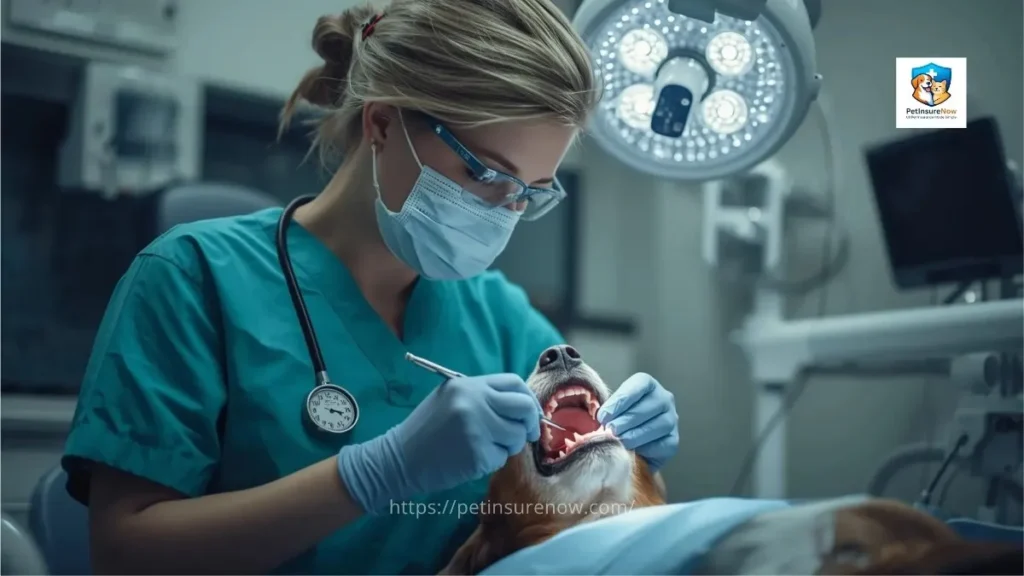

Let’s face it; keeping our furry, feathered, or scaled family members healthy often involves unexpected costs. When it comes to dental care for pets, the expenses can really add up. A routine teeth cleaning might cost a few hundred dollars. But if your pet needs something more serious, like tooth extractions or oral surgery for a tricky problem, the bill could range from $1,000 to $3,000, or even higher. That kind of cost can definitely make any pet parent gasp.
Go Straight to What You Need
ToggleBecause of these costs, many pet owners ask an important question.
Does Pet Insurance Cover Dental Care?
Well, the short answer is Yes, Pet Insurance Cover Dental Care – but it’s not always a simple “yes” or “no” situation. The kind of coverage you get depends a lot on the specific plan you pick and which insurance company you’re with.
Generally, here’s how it typically works:
- Dental accidents and medically necessary treatments might be covered by standard plans. Think of a broken tooth from an unexpected fall, or an infection that needs urgent attention.
- Routine cleanings and preventative dental care are usually a different story. These typically aren’t covered by basic plans. For things like those annual teeth cleanings that keep their breath fresh and gums healthy, you’ll often need to buy a separate wellness add-on to your policy.
Since what’s covered can really jump around between different insurers, it’s super important to dig into the details and compare plans carefully before you settle on a policy. You don’t want any surprises when your pet needs that crucial dental work!
Key Takeaways
- Pet insurance cover dental care, but coverage usually depends on the type of policy and provider.
- Most accident and illness plans cover dental injuries and medically necessary treatments, such as tooth extractions or infections.
- Routine dental care like teeth cleaning is typically not included unless you purchase a wellness or preventive care add-on.
- Pre-existing dental conditions are usually excluded, meaning treatment for problems diagnosed before the policy starts will not be covered.
- Some insurers may require regular dental exams or proof of oral care to approve certain dental claims.
- Dental procedures can be expensive, with treatments ranging from a few hundred to several thousand dollars depending on the condition.
Does Pet Insurance Cover Dental Care Quick Coverage
Here’s a clear breakdown of what’s typically covered versus what’s not:
Dental Issue | Usually Covered? | Notes |
Dental accidents (broken/chipped teeth) | Yes | Under accident coverage |
Gum disease / Periodontal disease | Often Yes (in comprehensive plans) | If it develops after policy starts |
Tooth extractions | Yes | If medically necessary due to accident or illness |
Dental infections / Abscesses | Yes | Common in illness coverage |
Emergency dental surgery | Yes | Usually covered |
Routine teeth cleanings | No (unless wellness add-on) | Preventive care |
Cosmetic procedures | No | Not medically necessary |
Pre-existing dental conditions | No | Almost always excluded |
Key Insight:
Most pet insurance policies treat dental issues the same way they treat other medical problems. Accidents and illnesses may be covered, but preventive care usually requires a separate wellness plan.
Types of Pet Insurance That Cover Dental
Understanding the different types of pet insurance policies is important because each offers different levels of dental coverage.
1. Accident-Only Plans
Accident-only plans are the most basic and affordable type of pet insurance.
These policies typically cover:
- Broken or fractured teeth caused by an accident
- Dental trauma from injuries
- Emergency treatment related to accidents
However, they do not cover dental illnesses like infections or gum disease.
Insight: Accident-only policies are cheaper, but their dental coverage is very limited.
2. Accident & Illness Plans (Most Comprehensive)
This is the most common type of pet insurance policy.
These plans may cover dental conditions such as:
- Periodontal disease
- Oral infections
- Tooth extractions
- Abscesses and inflammation
Coverage is usually provided only when treatment is medically necessary and the condition is not pre-existing.
Some providers even include dental illness treatment as part of standard coverage.
Insight: If dental protection is important to you, accident and illness plans are the best option.
3. Wellness Add-Ons (Preventive Dental Care)
Routine dental care is usually not included in standard policies.
However, many insurers offer wellness or preventive care add-ons that cover:
- Professional teeth cleaning
- Routine exams
- Preventive dental treatments
These add-ons increase your monthly premium but help cover preventive veterinary care.
Insight: If you want coverage for routine teeth cleaning, a wellness plan is usually required.
What Dental Procedures Are Covered?
Pet insurance typically covers dental treatments that are medically necessary.
Commonly Covered Procedures
- Tooth extractions
- Root canals
- Treatment for gum disease
- Abscess treatment
- Repair of broken teeth
Many insurance companies cover these procedures as long as the condition was not present before the policy started.
Dental Procedures Usually Not Covered
- Routine teeth cleaning (without wellness plan)
- Cosmetic dental procedures
- Treatment for pre-existing dental conditions
Important Note: Pre-existing conditions are one of the biggest exclusions. If your pet showed signs of dental disease (bad breath, tartar buildup, red gums) before your policy started, future treatment for that issue will likely be denied.
Recommended Reading:
Important Conditions You Must Meet
Even if your pet insurance policy includes dental coverage, there are usually a few rules you must meet before a claim is approved. Insurance providers set these conditions to ensure the issue isn’t pre-existing and that pets are receiving proper preventive care.
1. Pre-Existing Condition Rule
One of the most important rules in pet insurance is the pre-existing condition exclusion. If your pet already had a dental disease or oral issue before the policy started, the insurer will usually not cover treatment for that condition.
For example, if your dog was diagnosed with periodontal disease before you purchased insurance, the company will most likely consider it a pre-existing condition and exclude it from coverage.
2. Annual Dental Exam Requirement
Some insurance companies require proof that your pet receives regular dental checkups. This may include routine oral exams during annual veterinary visits.
If there’s no record showing that your pet’s teeth and gums were checked regularly, the insurer might deny a dental claim. Keeping up with routine vet visits can help avoid this issue.
3. Waiting Period
Dental illness coverage often comes with a waiting period after you purchase a policy. This means coverage does not start immediately.
Depending on the provider, waiting periods can range from about 14 days to several months. If a dental problem occurs during this time, it usually will not be covered.
How Much Does Pet Dental Treatment Cost?
Many pet owners are surprised by how expensive dental treatment can be. Costs vary depending on the procedure, the severity of the condition, and the veterinary clinic.
Typical dental costs include:
- Teeth cleaning: $300 – $700
- Tooth extraction: $300 – $1,500 per tooth
- Dental surgery: $1,000 – $3,000+ depending on complexity
Without insurance, these bills can add up quickly, especially if your pet needs emergency dental treatment or multiple procedures. Having the right coverage can help reduce the financial stress of unexpected veterinary care.
Real-Life Coverage Examples
Here are some simple scenarios showing how dental coverage works.
Scenario 1: Broken Tooth
Your dog breaks a tooth while chewing on a very hard toy or bone and needs veterinary treatment.
Result: This type of situation is usually covered by accident-only policies as well as accident and illness plans, because the damage happened due to an unexpected accident.
Scenario 2: Gum Disease
Your cat develops periodontal disease, and the veterinarian recommends treatment or a tooth extraction.
Result: This may be covered if you have a comprehensive accident and illness plan. Basic accident-only policies generally do not cover dental diseases.
Scenario 3: Routine Teeth Cleaning
During a regular vet visit, your veterinarian recommends a yearly dental cleaning to maintain your pet’s oral health.
Result: This is typically not covered under standard pet insurance plans. Routine cleanings are considered preventive care and are usually only included if you have a wellness or preventive care add-on.
Which Pet Insurance Companies Cover Dental?
Dental coverage can vary quite a bit from one pet insurance provider to another. Some companies include treatment for dental illnesses in their standard plans, while others only cover accidents unless you upgrade or add extra coverage.
Here are a few well-known pet insurance companies that offer some form of dental coverage.
- Embrace: Strong dental illness coverage (including periodontal disease) with flexible options.
- ASPCA Pet Health Insurance: Good coverage for dental illnesses and extractions in their Complete Coverage plan.
- Spot: Often includes dental disease coverage.
- Pets Best: Covers dental illness but may have requirements around recent cleanings.
- Lemonade: Base plan covers dental accidents; enhanced dental illness coverage available as an add-on in many states.
Trupanion: Covers dental illnesses but often requires annual dental exams.
Tip: Before choosing a plan, always read the policy details carefully. Dental coverage rules, waiting periods, and eligibility requirements can differ significantly between insurance providers.
Is Pet Dental Coverage Worth It?
Dental treatment for pets can become expensive, especially when surgery or multiple tooth extractions are involved. Because of this, many pet owners wonder whether adding dental coverage to their insurance policy is actually worth the cost.
The answer depends on your pet’s health, breed, and the type of insurance plan you choose. Looking at the pros and cons can help you decide.
Pros:
- Protects against expensive surgeries and extractions
- Gives peace of mind for sudden dental emergencies
- Can encourage earlier treatment instead of delaying due to cost
Cons:
- Routine cleanings usually require an extra wellness rider (which increases your premium)
- Pre-existing conditions are strictly excluded
- Some plans have annual caps on dental coverage
Balanced Verdict:
Dental coverage is worth it for most pet owners — especially if you choose a comprehensive accident-and-illness plan early in your pet’s life and add a wellness rider if you want preventive cleanings. It’s particularly valuable for small breeds and cats, who are prone to dental issues.
How to Choose a Plan That Covers Dental
If dental care is important to you, use this checklist when comparing plans.
Look for policies that:
- Includes dental illness coverage (not just accidents)
- Offers a wellness add-on for routine cleanings
- Has reasonable or no strict annual dental exam requirements
- Provides high annual limits (preferably unlimited)
- Clear policy on pre-existing conditions
Choosing the right policy can make a significant difference over your pet’s lifetime. The right coverage can help reduce unexpected veterinary bills and ensure your pet receives proper dental care when it’s needed.
Frequently Asked Questions
Does pet insurance cover teeth cleaning?
In most cases, routine teeth cleaning is not included in standard pet insurance plans. Dental cleanings are considered preventive care, so they are usually covered only if your policy includes a wellness or preventive care add-on.
Does pet insurance cover dental surgery?
Yes, many accident and illness pet insurance plans may cover dental surgery when it is medically necessary. This can include procedures such as tooth extractions or treatment for infections, as long as the issue is not related to a pre-existing condition.
Is gum disease covered by pet insurance?
Some comprehensive pet insurance plans provide coverage for gum disease and other dental illnesses. However, basic accident-only policies typically do not cover dental diseases, so it’s important to review the details of your policy.
Can I get dental coverage after my pet is diagnosed with dental disease?
Generally, no. Once a dental problem has already been diagnosed, insurers usually classify it as a pre-existing condition. Because of this, treatment for that condition is typically excluded from coverage under most pet insurance policies.