
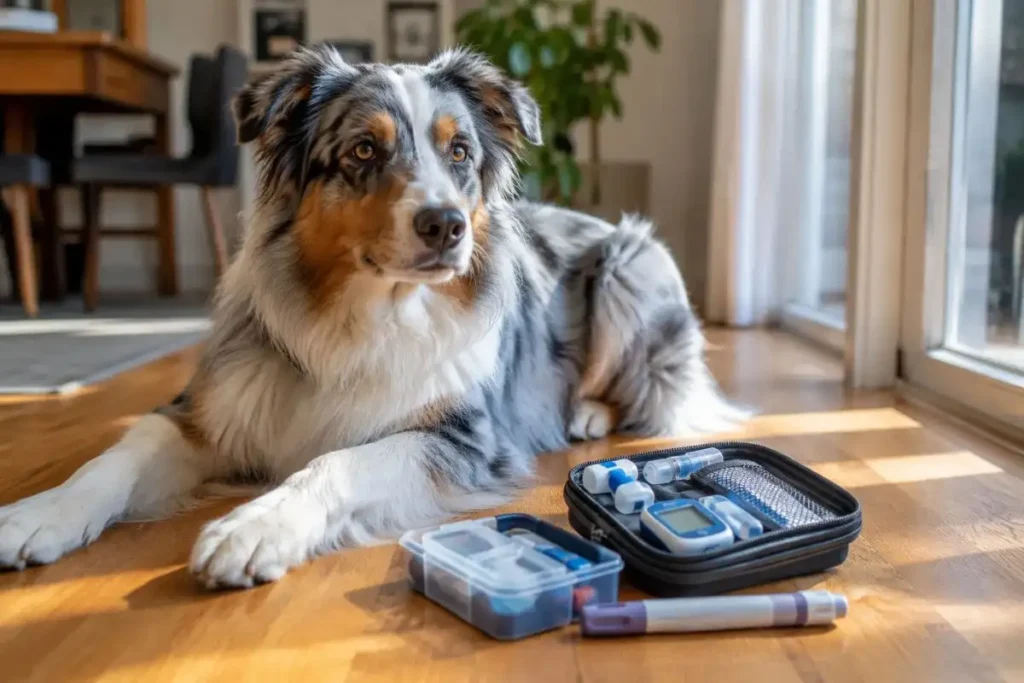


Does Pet Insurance Cover Diabetes?

Does Pet Insurance Cover Diabetes?

Pet insurance typically covers diabetes if the condition develops after enrollment and the policy’s waiting period has ended. However, diabetes is generally not covered if it is considered a pre-existing condition before the policy begins.

Key Takeaways

  • Enroll before your pet gets sick. That’s the whole game with diabetes coverage.
  • Your vet’s notes can work against you even a casual mention of “drinks a lot of water” can trigger a pre-existing exclusion.
  • This isn’t a one-time bill. Diabetes costs money every single month, for the rest of your pet’s life.
  • Annual deductible beats per-incident always, for any chronic condition.
  • Already diabetic? Still get insurance. Cataracts, UTIs, and emergencies are still on the table.
  • Cat owners get a second chance, feline diabetes can go into remission. Dog owners don’t.
  • High-risk breed? Don’t wait for symptoms. By then, you’ve already lost the coverage window.
  • 80–90% reimbursement on a $3,000 annual diabetes bill is the difference between manageable and devastating.

When Does Pet Insurance Cover Diabetes?

Your pet’s diabetes will be covered when:

  • You have an accident-and-illness plan (not accident-only)
  • Your pet showed no symptoms of diabetes before enrollment
  • The diagnosis happens after the 14-day illness waiting period ends

If those three things are true, diabetes and its related complications fall under standard illness coverage, no special add-on required at most providers.

What Diabetes Costs Does Pet Insurance Cover?

Diabetes is an ongoing condition, so the costs add up across multiple categories. Most comprehensive plans reimburse:

  • Diagnosis : blood tests, urinalysis, glucose monitoring
  • Insulin : the primary treatment for diabetic dogs and most cats
  • Glucose monitoring devices and test strips
  • Regular vet checkups for disease management
  • Prescription medications beyond insulin
  • Complications : cataracts, urinary tract infections, hypoglycemia, diabetic ketoacidosis (DKA)
  • Emergency care for diabetes-related crises

Some plans also cover prescription food when it’s vet-prescribed to manage a covered condition like diabetes.

How Much Does Diabetes Cost to Treat in Pets Without Insurance?

Diabetes isn’t a one-time expense. It’s a lifelong commitment to daily management. Here’s what you’re looking at financially:

ExpenseEstimated Cost
Initial diagnosis~$391 (dogs)
First insulin + glucose meter~$421
Monthly management (insulin, supplies, vet visits)$100 – $200/month
Insulin alone (monthly)Up to $150 (dogs), up to $300 (cats)
Annual cost without insurance$2,500 – $4,000+

Over a pet’s lifetime, diabetes management can easily run into the tens of thousands of dollars. With insurance covering 80–90% of eligible costs, a $2,500 annual expense could cost you $250–$500 out of pocket instead.

Does Pet Insurance Cover Insulin for Diabetic Pets?

Yes, Insulin is a vet-prescribed medication, and most accident-and-illness plans cover prescription medications as part of their standard illness coverage. As long as the diabetes diagnosis happened after enrollment and past the waiting period, insulin costs are reimbursable.

This may include not only insulin but also essential diabetes care supplies like glucose meters, test strips, and syringes, as long as they’re part of your pet’s prescribed treatment plan.

Does Pet Insurance Cover Diabetes Complications?

Yes, in most cases. Diabetes in pets frequently leads to secondary conditions, and these complications are generally covered as part of the same illness claim:

  • Cataracts : very common in diabetic dogs, often requiring surgery ($2,700–$4,000)
  • Urinary tract infections (UTIs) : diabetic pets are more prone to recurring UTIs
  • Hypoglycemia : dangerously low blood sugar, can be an emergency
  • Diabetic ketoacidosis (DKA) : a life-threatening complication requiring hospitalization
  • Peripheral neuropathy : nerve damage seen more in diabetic cats

Most pet insurance policies do not treat these complications as separate exclusions. Instead, they are usually considered part of the covered condition and included under the same treatment coverage.

How Common Is Diabetes in Dogs and Cats?

More common than most pet owners expect, and it’s rising.

In dogs, diabetes typically appears between 7 and 10 years old. Female dogs are generally at a higher risk than males, and some breeds are more prone to the condition, including Samoyeds, Australian Terriers, Miniature Schnauzers, Pugs, and Toy Poodles.

In cats, diabetes is less common, affecting an estimated 0.2% to 1% of the feline population. Most cats develop Type 2 diabetes, a form linked to insulin resistance rather than a complete lack of insulin production. Older, overweight, and male cats are generally at higher risk. With proper treatment and weight management, some diabetic cats may even achieve remission.

Is Diabetes a Pre-Existing Condition in Pet Insurance?

Yes, if diagnosed before enrollment or during the waiting period. Because diabetes is incurable and requires lifelong treatment, it becomes a permanent exclusion at virtually all standard insurers once it’s on your pet’s medical record.

A few things to watch for:

  • Symptoms count, not just diagnosis. If your pet showed signs such as increased thirst, weight loss, or frequent urination before enrollment, the condition may still be classified as pre-existing, even if diabetes had not yet been officially diagnosed.

  • Switching providers won’t reset coverage. If your current insurer covers your pet’s diabetes, switching to a new provider means the new insurer will exclude it as pre-existing.
  • Some providers are more thorough than others in reviewing prior vet records, especially for chronic conditions like diabetes.
Does Pet Insurance Cover Diabetes?

What Breeds Are Most at Risk for Diabetes?

High-risk dog breeds:

  • Samoyeds
  • Australian Terriers
  • Miniature and Toy Poodles
  • Pugs
  • Miniature Schnauzers
  • Bichon Frises
  • Keeshonds

Higher-risk cats:

  • Burmese cats (genetic predisposition)
  • Overweight or obese cats (any breed)
  • Older male cats (7+ years)
  • Cats on long-term steroid medications

If your pet falls into any of these higher-risk categories, enrolling before symptoms appear is the best way to keep diabetes coverage available under most pet insurance policies.

Related Topics You Should Read

Early Signs of Diabetes in Dogs and Cats

Catching diabetes early means better outcomes and lower lifetime treatment costs. Watch for:

  • Increased thirst (drinking much more water than usual)
  • Frequent urination
  • Unexplained weight loss despite a normal or increased appetite
  • Lethargy or low energy
  • Cloudy eyes (especially in dogs, cataracts can develop quickly)
  • Sweet or fruity-smelling breath
  • Recurring infections (skin, urinary)

If you notice any of these signs, get your pet to the vet promptly. An early diagnosis is easier and less expensive to manage and your insurance coverage will apply if your policy is already in force.

Can I Get Pet Insurance If My Pet Already Has Diabetes?

Yes, you can still buy a policy but the diabetes itself won’t be covered. Any future, unrelated conditions will still be eligible for reimbursement.

It still makes financial sense to have insurance for a diabetic pet because:

  • Diabetic pets are more prone to secondary conditions (cataracts, UTIs, DKA) that could be covered
  • Any new, unrelated illness or injury is still fully covered
  • Accident coverage applies regardless of the diabetes diagnosis

If you can’t afford diabetes treatment without insurance, options like CareCredit, Scratchpay, and in-house vet payment plans can help manage the cost.

Is Pet Insurance Worth It for a Pet at Risk of Diabetes?

Yes, especially for high-risk breeds and older pets. Annual diabetes management costs $2,500 or more, and that’s on top of whatever else your pet might need. Insurance covering 80–90% of that ongoing expense pays for itself quickly.

The only window where it works is before your pet gets sick. Once diabetes shows up, that coverage opportunity is gone permanently.

Frequently Asked Questions

Does pet insurance cover insulin for diabetic dogs and cats?

Yes. Insulin is a vet-prescribed medication and falls under standard illness coverage in most accident-and-illness plans. As long as the diabetes diagnosis happened after enrollment and past the waiting period, insulin is reimbursable including related supplies like syringes and glucose meters in many cases.

In cats, yes, this is actually fairly common with early intervention and proper weight management. Some cats can come off insulin entirely with the right diet and treatment. In dogs, remission is extremely rare because canine diabetes is almost always Type 1 (the pancreas stops producing insulin altogether). Once a dog is diabetic, insulin is a lifelong requirement.

Yes, DKA is a diabetes complication, not a separate condition so it falls under illness coverage if diabetes itself is covered. DKA typically requires emergency hospitalization, IV fluids, and intensive monitoring, which can cost $1,500 to $5,000. This is one of the highest-value claims for insured diabetic pets.

Most plans cover diabetic cataracts, but it depends on the insurer. Some classify cataracts as a direct complication of diabetes (same condition, same claim), while others treat them as a separate condition. Cataract surgery in dogs runs $2,700 to $4,000, so clarifying this before you enroll is worth the conversation with your insurer.

No standard pet insurance provider will cover a condition that’s already been diagnosed. However, a small number of specialty programs, some offered through employer benefits or breed-specific clubs — have more flexible underwriting. These are uncommon and worth researching if you’re in that situation, but don’t rely on finding one.

For the first few months after diagnosis, expect vet visits every 1 to 2 weeks while the right insulin dose is being established. Once regulated, most diabetic dogs visit the vet every 3 to 6 months for glucose curves and blood work. Cats often require more frequent monitoring, especially during dose adjustments. These recurring visits are all insurable costs if your policy covers diabetes.

It depends on the insurer. Some plans cover vet-prescribed therapeutic diets when they’re part of an active treatment plan for a covered condition. Others exclude food entirely. This is a small but meaningful cost ($50–$100/month), so check your policy’s prescription diet clause before enrolling.

Routine blood panels and glucose tests during wellness exams are typically covered under a wellness plan add-on, not a standard illness policy. If your vet runs a glucose test because your pet is showing symptoms, that’s a diagnostic claim and may be covered under illness coverage but a standard wellness glucose check is not.

Look for providers that cover hereditary and chronic conditions in the base plan without sub-limits, offer annual deductibles rather than per-incident, have high reimbursement options (90%), and don’t age out pets from coverage at a fixed year. Comparing 3 to 4 providers side by side using your pet’s breed, age, and location gives you the most accurate premium picture.

Last updated: May 24, 2026  ·  PetInsureNow.com  ·  Information sourced from insurer official policy documents and verified veterinary cost data. Always verify coverage details directly with your insurer before purchasing.