
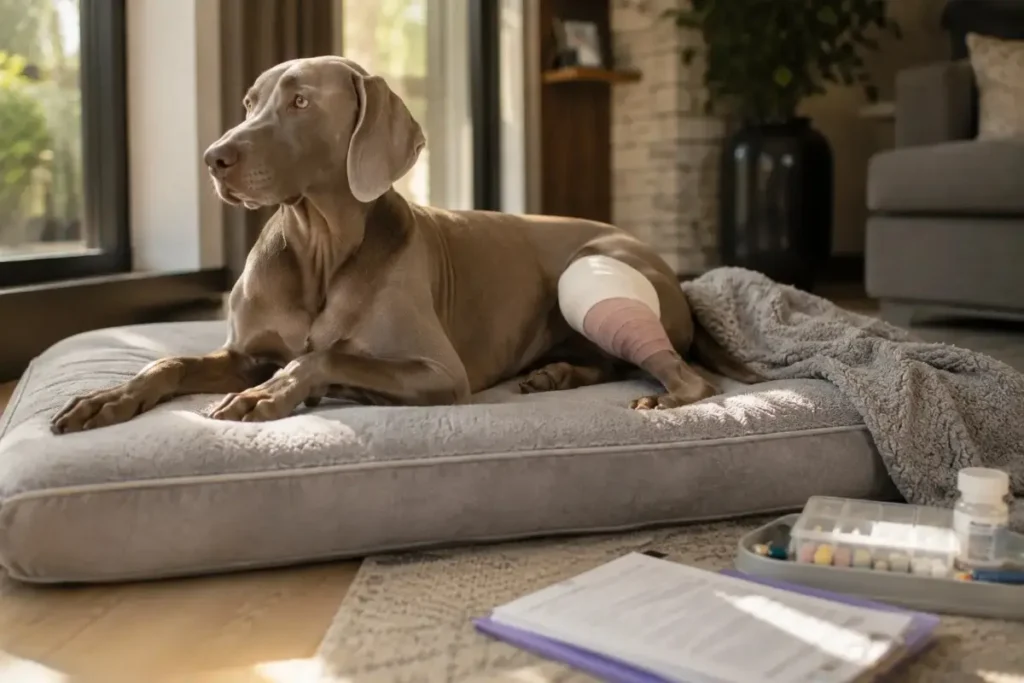

Does Pet Insurance Cover Hip Dysplasia?

Does Pet Insurance Cover Hip Dysplasia

The answer is yes, most comprehensive accident-and-illness pet insurance plans cover hip dysplasia, but only when your pet is enrolled before symptoms appearΒ and the condition is diagnosedΒ after the waiting period ends. Once hip dysplasia is on your pet’s vet records, it becomes a pre-existing condition and will be permanently excluded from coverage at any new policy.

βœ… Key Takeaways

  • β†’Pet insurance covers hip dysplasia only if enrolled before symptoms appear.
  • β†’Orthopedic waiting periods are longer β€” often 30 days to 6 months depending on insurer.
  • β†’Bilateral exclusions are real β€” one diagnosed hip can get the other hip excluded too.
  • β†’Some insurers exclude hip dysplasia for pets enrolled at age 6 or older.
  • β†’Average diagnosis cost: $1,500. Average treatment cost: $5,200. Surgery: up to $7,000 per hip.

What Is Hip Dysplasia in Pets?

Hip dysplasia is a hereditary skeletal condition where the hip joint, a ball-and-socket joint fails to develop properly. Instead of fitting snugly, the ball sits loosely in the socket, causing the joint to grind, wear down, and eventually lead to painful arthritis and permanent joint damage.

Dogs are generally born with hip dysplasia, but symptoms often don’t surface until months or years later which is exactly why early insurance enrollment matters so much. The condition can affect one or both hips. If it affects both, it’s called a bilateral condition β€” and that creates a specific insurance problem covered below.

According to analysis of 921,046 dogs in the Orthopedic Foundation for Animals (OFA) registry, hip dysplasia affectsΒ 15.56% of dogs overall, ranging from 0% in Italian Greyhounds to a staggering 77.7% in Bulldogs.

Signs Your Pet May Have Hip Dysplasia

The earlier hip dysplasia is caught, the better the outcome and the lower the total treatment cost. Watch for these warning signs:

🐾 Limping or lameness in hind legs

🐾 "Bunny hopping" gait when running

🐾 Difficulty getting up after resting

🐾 Reluctance to climb stairs or jump

🐾 Muscle loss in the hind legs

🐾 Hind legs held unusually close together

Important: If any of these signs appear in your pet's vet records even as a casual observation, insurers can classify hip dysplasia as a pre-existing condition before a formal diagnosis is ever made. Don't delay a vet visit, but understand that timing and documentation matter.

Which Breeds Are Most at Risk?

Hip dysplasia is more common in large breed dogs, but it is not exclusive to them. Certain smaller breeds and cats also carry significant risk.

πŸ• High-Risk Dog Breeds

  • Bulldogs (English & French) β€” up to 77.7%
  • Pugs
  • German Shepherds
  • Golden Retrievers
  • Labrador Retrievers
  • Great Danes
  • Rottweilers
  • Saint Bernards

🐈 At-Risk Cat Breeds

  • Maine Coon
  • Persian
  • Himalayan
  • Devon Rex
  • Siamese

Hip dysplasia in cats is less common but still hereditary. Surgical costs range from $1,500–$4,000+ per hip in cats.

What Does Pet Insurance Cover for Hip Dysplasia?

When hip dysplasia qualifies for coverage, most comprehensive plans reimburse a wide range of related costs:

Diagnostics

  • Physical exams and specialist consultations
  • X-rays and radiographs
  • CT scans and MRI
  • Sedation for imaging ($144–$384)
  • Blood work (pre-surgical)

Non-Surgical Treatment

  • Prescription pain medications
  • Joint supplements (vet-prescribed)
  • Physical therapy and rehabilitation
  • Hydrotherapy
  • Acupuncture (select plans)

Surgical Options

  • FHO β€” Femoral Head Ostectomy
  • TPO β€” Triple Pelvic Osteotomy
  • DPO β€” Double Pelvic Osteotomy
  • THR β€” Total Hip Replacement
  • Post-surgical hospitalization

How Much Does Hip Dysplasia Treatment Cost?

Based on Lemonade Pet Insurance real claims data (2025) and CareCredit 2024 cost study:

Procedure / TreatmentEstimated CostCovered?
Diagnosis (avg. per Lemonade 2025)~$1,500βœ“ Yes
X-rays / Radiographs$50 – $805βœ“ Yes
Medical management (annual, lifetime)$500 – $4,800+/yrβœ“ Yes
FHO Surgery (per hip)$1,200 – $3,000βœ“ Yes
TPO / DPO Surgery$1,500 – $4,500βœ“ Yes
Total Hip Replacement (THR)$3,500 – $7,000/hipβœ“ Yes
Pre-existing hip dysplasia treatmentAny amountβœ— Not covered

Source: Lemonade Pet Insurance Claims Data (Jan 2025), CareCredit 2024, Nationwide 2024 claims data

Calculate Your Pet Insurance Cost

Answer a few quick questions — get an instant estimate for your pet’s coverage

Use the Calculator →
1
Enter pet details Species, breed, age & location
2
Pick your coverage Deductible & reimbursement level
3
See your estimate Instant monthly cost breakdown

What Is a Bilateral Condition Exclusion and Why It Matters

This is the fine print most pet owners never see coming. Hip dysplasia can affect both hips β€” it's a bilateral condition. Many insurers include a bilateral exclusion clause in their policies, which means: if one hip is diagnosed with dysplasia before your policy's waiting period ends, the other hip may automatically be excluded too, even if it currently looks perfectly healthy.

Here’s a real scenario: Your dog’s left hip is showing mild symptoms at enrollment. The insurer excludes the left hip as pre-existing. One year later, the right hip develops dysplasia. Under a bilateral exclusion policy, your insurer could deny that claim too β€” arguing that both hips are part of the same hereditary condition.

Not every insurer applies this clause the same way:

InsurerBilateral Exclusion?Orthopedic Waiting Period
MetLife PetNo bilateral exclusion14 days (illness)
EmbraceHas bilateral exclusion6 months (orthopedic)
FetchHas bilateral exclusion6 months (orthopedic)
Healthy PawsExcludes age 6+14 days
PumpkinIncludes hereditary β€” no add-on14 days

Always verify directly with your insurer. Policy terms change and vary by state.

Waiting Periods for Hip Dysplasia Coverage

Orthopedic conditions like hip dysplasia have longer waiting periods than general illness coverage. This is one of the most important things to check before choosing a plan:

24–48 hrs

Accidents

14 days

General Illness

30 days–6 months

Orthopedic (Hip Dysplasia)

Embrace and Fetch both impose aΒ 6-month orthopedic waiting period specifically. That means if your dog shows any limping within the first 6 months of enrollment, the entire hip dysplasia claim will be denied regardless of when the formal diagnosis comes. MetLife is more favorable here with just a 14-day illness waiting period applying to hip dysplasia.

πŸ’‘ Expert Tips

Enroll as a puppy β€” before the first vet record exists if possible.

The OFA recommends preliminary hip evaluations from 4 months old. Enrolling before that first evaluation keeps your policy completely clean. Any hip score on file even a good one creates a documented baseline that insurers can reference later.

Ask specifically about the orthopedic waiting period β€” not just the general illness waiting period.

Most insurers advertise their 14-day waiting period prominently. The 6-month orthopedic waiting period is buried deeper in the policy. These are two different things. For hip dysplasia coverage, the orthopedic waiting period is the one that matters.

Choose a plan without bilateral exclusions if hip dysplasia is a breed risk.

MetLife and Pumpkin are the most favorable here. If your breed is prone to bilateral hip dysplasia like Bulldogs, German Shepherds, or Golden Retrievers, a bilateral exclusion clause could cut your coverage in half at the worst possible moment.

Choose responsible breeders who OFA-test their breeding dogs.

The Orthopedic Foundation for Animals assigns hip scores to dogs. Breeding dogs with "Excellent" or "Good" OFA scores significantly reduces the risk of hip dysplasia in their offspring. This is the upstream prevention step, insurance is the financial safety net for when prevention isn't enough.

Frequently Asked Questions

Yes β€” FHO, TPO, DPO, and Total Hip Replacement surgeries are all covered under comprehensive accident-and-illness plans when the condition is not pre-existing and develops after the orthopedic waiting period ends. Anesthesia, pre-surgical blood work, and post-op care are included in the same claim at most insurers.

It becomes one the moment any symptoms appear on your pet’s vet records even without a formal diagnosis. Limping, stiffness, or reduced mobility noted in records before enrollment or during the waiting period is enough for most insurers to apply the pre-existing exclusion.

Yes, you can still enroll but the hip dysplasia won’t be covered. A new policy will still cover any future, unrelated conditions. It’s still worth having for everything else your pet may need going forward.

No. Hip dysplasia is a hereditary orthopedic condition not an accident. Accident-only plans cover injuries from external events (broken bones from falls, lacerations, swallowed objects). They do not cover developmental or hereditary conditions of any kind.

It depends on the insurer. Pumpkin and MetLife include hereditary condition coverage (which includes hip dysplasia) in their base plans at no extra cost. Nationwide requires an optional Hereditary and Congenital add-on. Always confirm before enrolling especially if your breed carries a known hip dysplasia risk.

Yes, most comprehensive plans cover feline hip dysplasia under the same terms as dogs β€” enrollment before symptoms, past the waiting period, and not classified as pre-existing. Surgical costs for cats range from $1,500 to $4,000+ per hip. Maine Coons, Persians, and Himalayans carry the highest risk among cat breeds.

CareCredit and Scratchpay offer veterinary medical financing accepted at most specialty clinics. Many veterinary orthopedic specialists also offer in-house payment plans. Veterinary teaching hospitals like those at Cornell, UC Davis, and Colorado State provide specialist-level care at significantly reduced rates compared to private practices.

The Bottom Line

Pet insurance covers hip dysplasia but the window where coverage actually works is before your pet ever shows a single symptom. For high-risk breeds, that window can close faster than most owners expect. Enroll early, pick a plan without bilateral exclusions, confirm the orthopedic waiting period before you commit, and make sure hereditary coverage is included in the base plan not hidden behind an add-on that costs extra.

πŸ”— Related Articles

For informational purposes only. Always review your full policy documents. Data sourced from OFA (Orthopedic Foundation for Animals), Lemonade Pet Insurance Claims Data (Jan 2025), CareCredit 2024, AKC, Cornell University Feline Health Center, and Nationwide 2024 claims data.